
By Dr. Shukhrat Rakhmanov
Researcher and Lecturer, Tashkent State University of Economics (TSUE)
Participant in the Horizon Europe MSCA Staff Exchanges Project “MOCCA – Multilevel Orders of Corruption in Central Asia”
Introduction: Researching Migration in a Digital Age
In today’s interconnected world, migration is no longer just a question of borders, visas, or economic opportunity — it has become a complex global process influenced by technology, governance, and informal networks of power. When I joined the MOCCA Project (Multilevel Orders of Corruption in Central Asia), my goal was to examine the intersection between migration, digital transformation, and informality — specifically, how corruption and informal practices shape migration governance in Central Asia and beyond.
Between June 2024 and April 2025, I had the privilege of conducting two secondments that profoundly shaped this research and my academic perspective:
- Lund University, Sweden (02.06.2024 – 31.10.2024)
- Marmara University, Istanbul, Türkiye (01.12.2024 – 30.04.2025)
Each university offered unique intellectual and cultural environments that expanded my understanding of migration governance in the digital era. My time abroad also resulted in a peer-reviewed publication titled “The Role of Modern Technologies in Migration Processes” in the Journal of Intellectual Property and Human Rights (Vol. 4, Issue 4, 2025) — an article that brings together the insights and findings developed during these secondments.
Lund University: A Space for Intellectual Deepening and Reflection
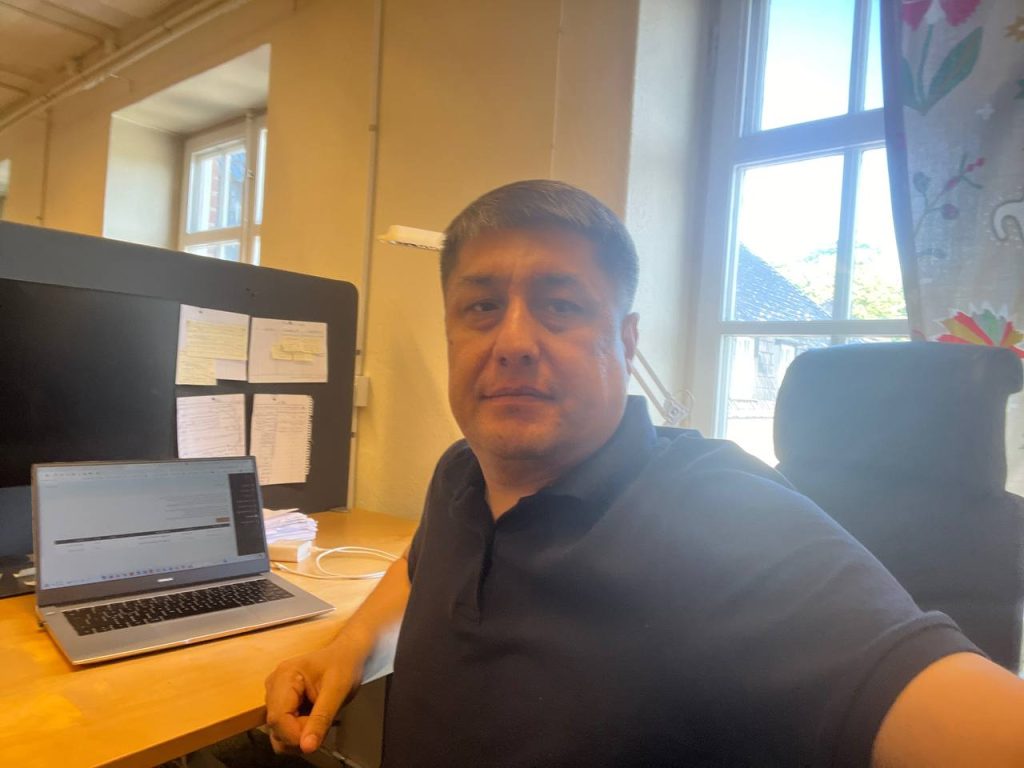
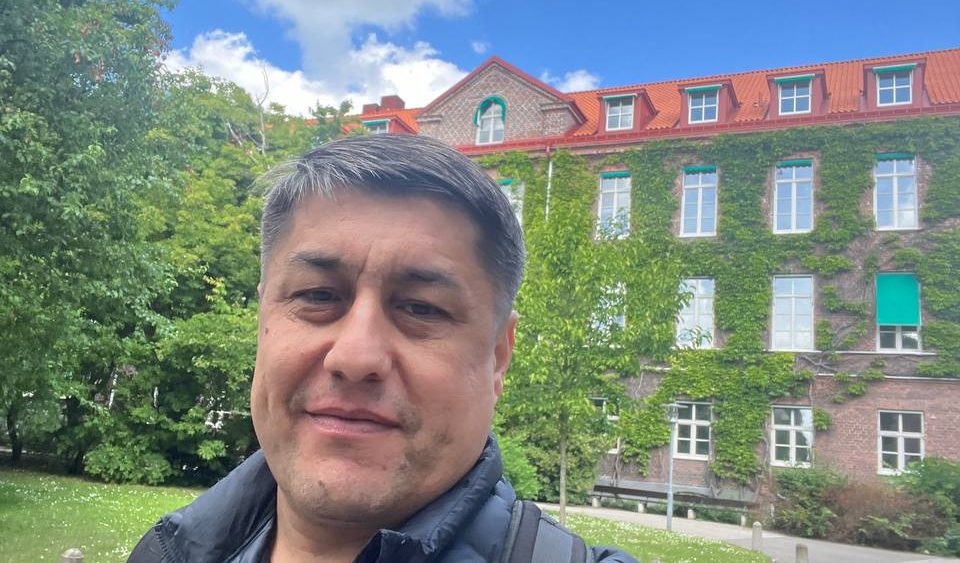
Arriving in Lund in early June 2024, I was immediately struck by the city’s atmosphere — calm, green, and intellectually vibrant. As a visiting researcher at Lund University’s Department of Sociology of Law, I found myself immersed in a culture that values open dialogue, critical inquiry, and interdisciplinary collaboration.
Lund provided the ideal setting for theoretical exploration. My work there focused on examining how modern technologies — from biometric systems and digital identities to artificial intelligence and blockchain — are reshaping migration management. I was particularly interested in how these technologies, while promoting efficiency and transparency, might also reproduce inequality or create new forms of exclusion.
During my stay, I engaged with legal scholars, sociologists, and migration policy experts who challenged me to think beyond traditional legal frameworks. Discussions about the ethical limits of data-driven governance and the role of human rights in algorithmic decision-making became central to my research direction.
I presented parts of my work at the Department of Sociology of Law, where students and faculty offered stimulating feedback on the concept of “digital borders” — the ways in which data and technology now define the limits of human mobility as much as physical barriers do. These conversations helped refine my research questions and strengthen the analytical foundation of my paper.
Lund’s interdisciplinary and reflective environment allowed me to approach migration not only as a legal or administrative process but as a technological and ethical transformation of human mobility. The quiet productivity of Swedish academic life provided the ideal space to write, revise, and ultimately complete much of the article that would later be published.
Marmara University: Dialogue, Diversity, and the Realities of Migration
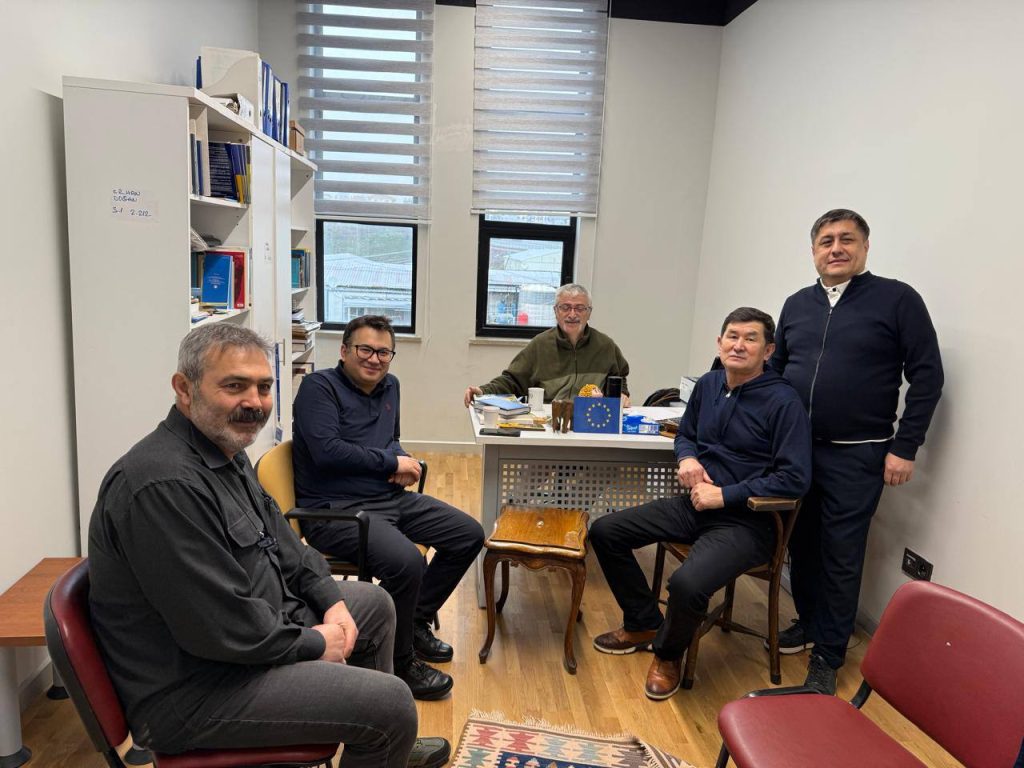
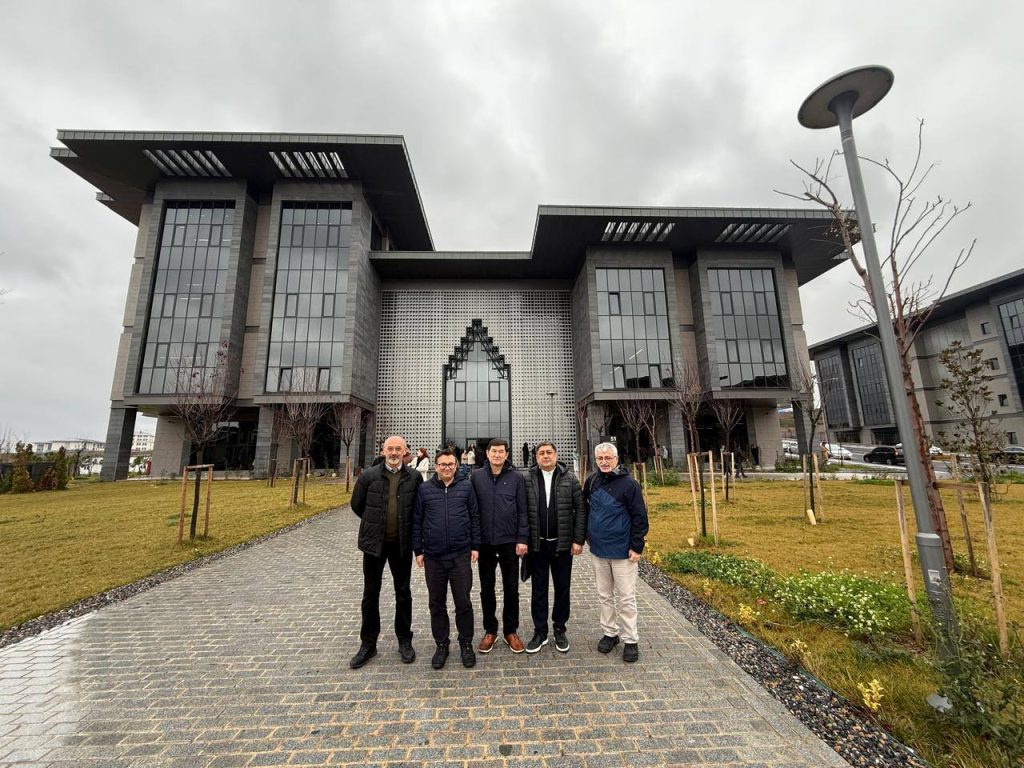
My second five-month stay took me to Marmara University in Istanbul — a city of immense cultural and historical depth, where migration is not an abstract concept but a visible, lived reality. Everywhere I went — from the bustling streets of Kadıköy to the old quarters of Fatih — I encountered stories of movement, belonging, and adaptation. These everyday encounters gave tangible meaning to my academic inquiry.
At Marmara University’s Department of Political Science, I presented my findings and discussed with Turkish colleagues and students the implications of technology on migration governance in contexts marked by rapid urbanization and high mobility. The discussions often centered on the tension between formal digital systems and informal governance practices — a subject directly tied to MOCCA’s focus on corruption and informality in governance structures.
In Türkiye, where migration policy intersects with regional geopolitics, humanitarian crises, and digital transformation, I observed that new technologies are increasingly being integrated into migration management systems. However, I also found that informal practices, personal networks, and bureaucratic discretion often mediate how these technologies are used in practice. This interplay — between digital innovation and informal governance — became one of the most intriguing aspects of my comparative analysis.
Through seminars and workshops at Marmara, I also had the opportunity to engage with students and researchers from diverse backgrounds — some with first-hand experience of migration themselves. Their perspectives reinforced my conviction that migration studies must be human-centered, grounded in empathy as much as in empirical data.
Research Focus: Technology, Law, and Human Rights
The research I conducted during my secondments culminated in my article “The Role of Modern Technologies in Migration Processes,” which explores how digital tools are transforming global migration governance.
The paper examines technologies such as:
- Artificial Intelligence (AI) for risk assessment and visa processing;
- Biometric identification systems used in border control and refugee registration;
- Blockchain technology for decentralized digital identities and fair recruitment practices; and
- Predictive analytics for anticipating migration flows and humanitarian needs.
The study also highlights the legal and ethical dilemmas that arise when technology intersects with migration management. For instance:
- How can states ensure that biometric data is collected and stored responsibly?
- What safeguards exist against algorithmic bias or racial profiling in AI-driven systems?
- Can blockchain offer migrants more control over their identities — or does it create new vulnerabilities?
Drawing on examples from the European Union, the United States, Central Asia, and Sub-Saharan Africa, I argue that technology’s role in migration is both transformative and contested. It has the power to improve transparency, reduce corruption, and enhance service delivery — but it also risks turning migration governance into a system of surveillance and exclusion if left unchecked.
In the article’s conclusion, I call for a rights-based and inclusive approach to migration technologies, one that ensures transparency, accountability, and equitable access. As I wrote in the paper:
“The governance of migration in the digital age must strike a careful balance: embracing innovation while upholding the core values of justice, human rights, and equity.”
Personal and Professional Growth
Beyond research outputs, these secondments were transformative on a personal level. Working in two very different academic and cultural contexts — Sweden and Türkiye — deepened my understanding of how migration, governance, and digitalization are perceived across regions.
In Lund, I learned the value of structured, evidence-based policy research and the Nordic model of academic collaboration.
In Istanbul, I experienced the vibrancy of an academic environment deeply connected to real-world policy challenges and social diversity.
Both experiences enhanced my ability to teach, publish, and engage with international colleagues. Thanks to the support of my hosts, I was able to dedicate full time to my research, refine my methodological approach, and establish new academic connections that will inform future collaborations between Tashkent State University of Economics, Lund University, and Marmara University.
Returning Home: Sharing Knowledge and Building Capacity
Upon returning to Uzbekistan, I have been committed to sharing the insights gained from my secondments with colleagues and students at TSEU. I have incorporated new case studies and comparative perspectives into my courses on International Law, emphasizing the role of technology and informality in contemporary governance.
The MOCCA project has not only enhanced my professional competencies but also strengthened institutional ties between TSUE and European universities — helping to build a sustainable network for joint research and policy dialogue on migration governance, corruption, and digital transformation.
Conclusion: Towards a More Human-Centered Digital Future
Migration governance in the 21st century stands at a crossroads. The integration of modern technologies promises greater efficiency and transparency, but it also requires a careful reevaluation of ethical and legal principles. My time at Lund and Marmara reaffirmed that technology must be guided by values — justice, accountability, and respect for human dignity.
As scholars, policymakers, and practitioners, our task is to ensure that innovation serves humanity, not the other way around. The MOCCA project, through its cross-border collaborations and interdisciplinary focus, plays a vital role in advancing this goal.